
Side cover has to stay correct during site work
In a column, wall or beam side, the steel has to remain at the distance from shuttering shown on the structural drawing. In a pile, the cage has to remain at the specified radial distance from the bore. The spacer does not decide this cover; it maintains the position already required by design.
This is why a vertical spacer has two jobs. It must establish the required distance and it must remain attached to the reinforcement while the cage, shuttering and concrete work are handled.
Keep steel at the specified distance from shuttering or the pile-bore face.
A loose spacer can move before concrete reaches it, even if its nominal size is correct.
Open geometry leaves paths for concrete to move around reinforcement and the spacer.
Spiderlock and PS-50 fit the ring; CLB-40 locks at the ring/main-bar crossing.
IS 456 connection: Section 12.3.2 requires reinforcement to be maintained in its required position during concreting and identifies concrete of the same strength or PVC for cover blocks/spacers. On a vertical face, that requirement is practical only if the spacer remains correctly positioned on the cage. Read the IS 456 guide →
A vertical spacer cannot behave like a loose block
A slab cover block can support steel from below. A vertical spacer is different: gravity does not hold it in the useful position. It has to remain attached while the cage is moved, shuttering is closed, workers handle reinforcement and concrete is placed.
If a spacer rotates, slides or comes off, the cage can move closer to one face and the actual cover can become less than intended. This is why fixing strength and resistance to dislodgement matter in addition to the nominal spacer dimension.
BS 7973 connection: the standard treats fixing, rotation and dislodgement as relevant performance issues for clip-on spacers. A spacer therefore has to be judged by more than its nominal cover size. Read the BS 7973 guide →
Four products, different fixing geometry
CLB-40, SL-2540, SL-40 and PS-50 all help maintain vertical or radial cover, but they are not interchangeable. Their locking geometry, cover behaviour and application are different.
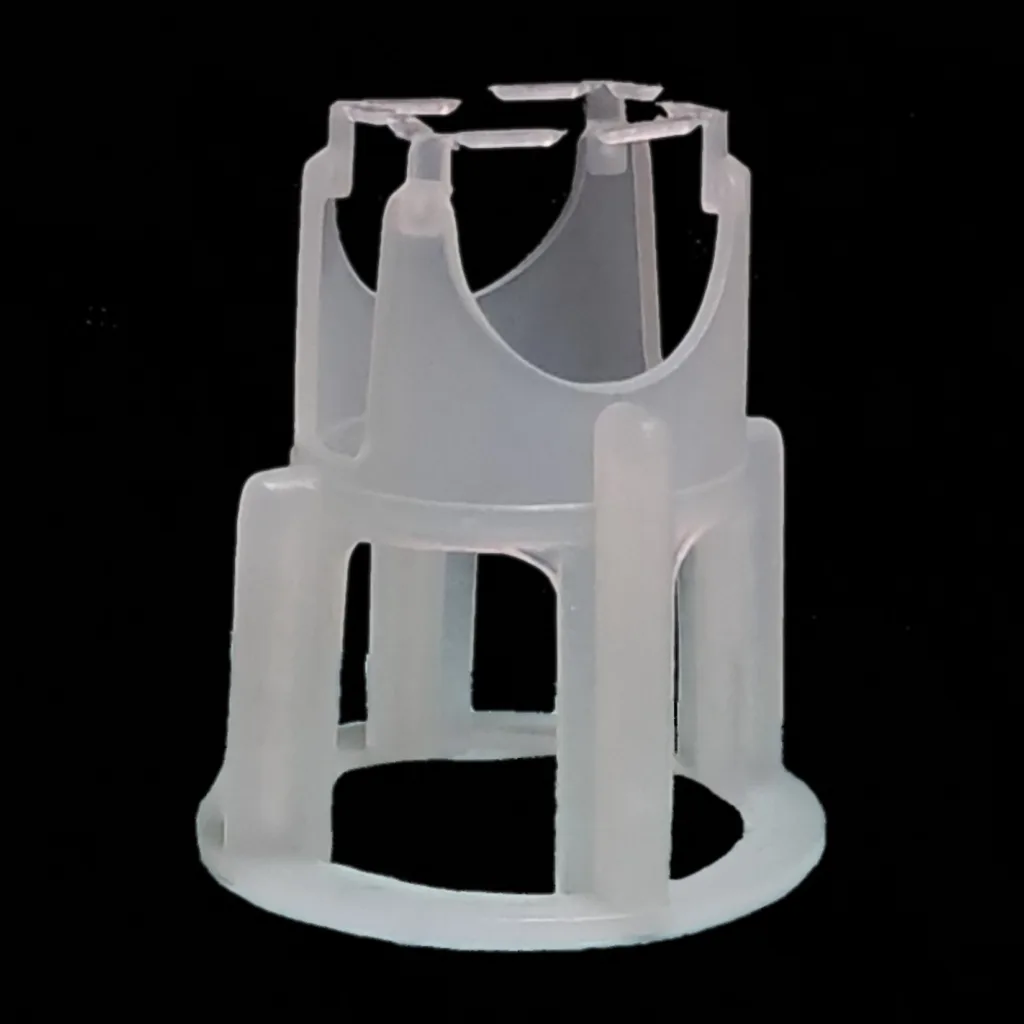
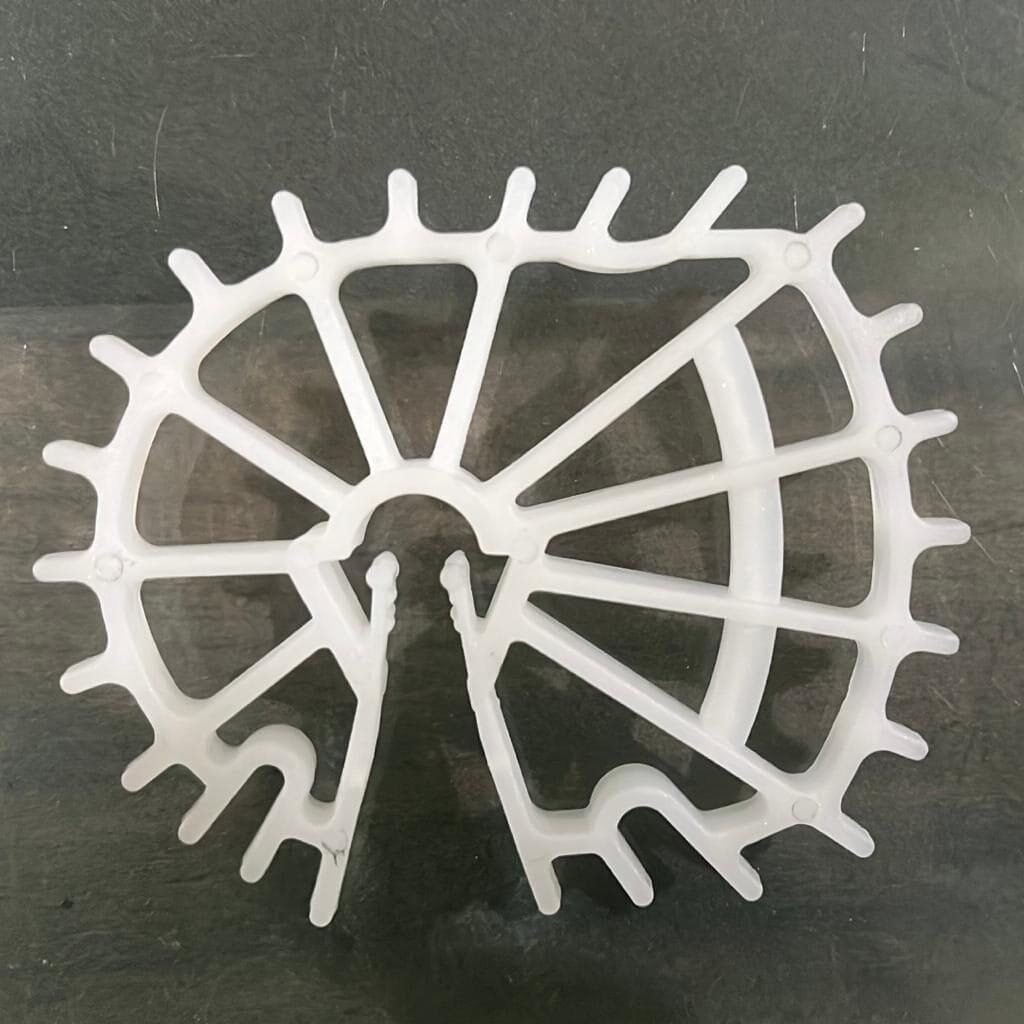
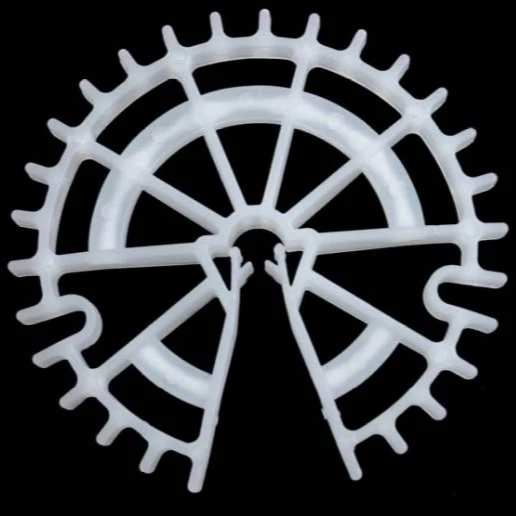
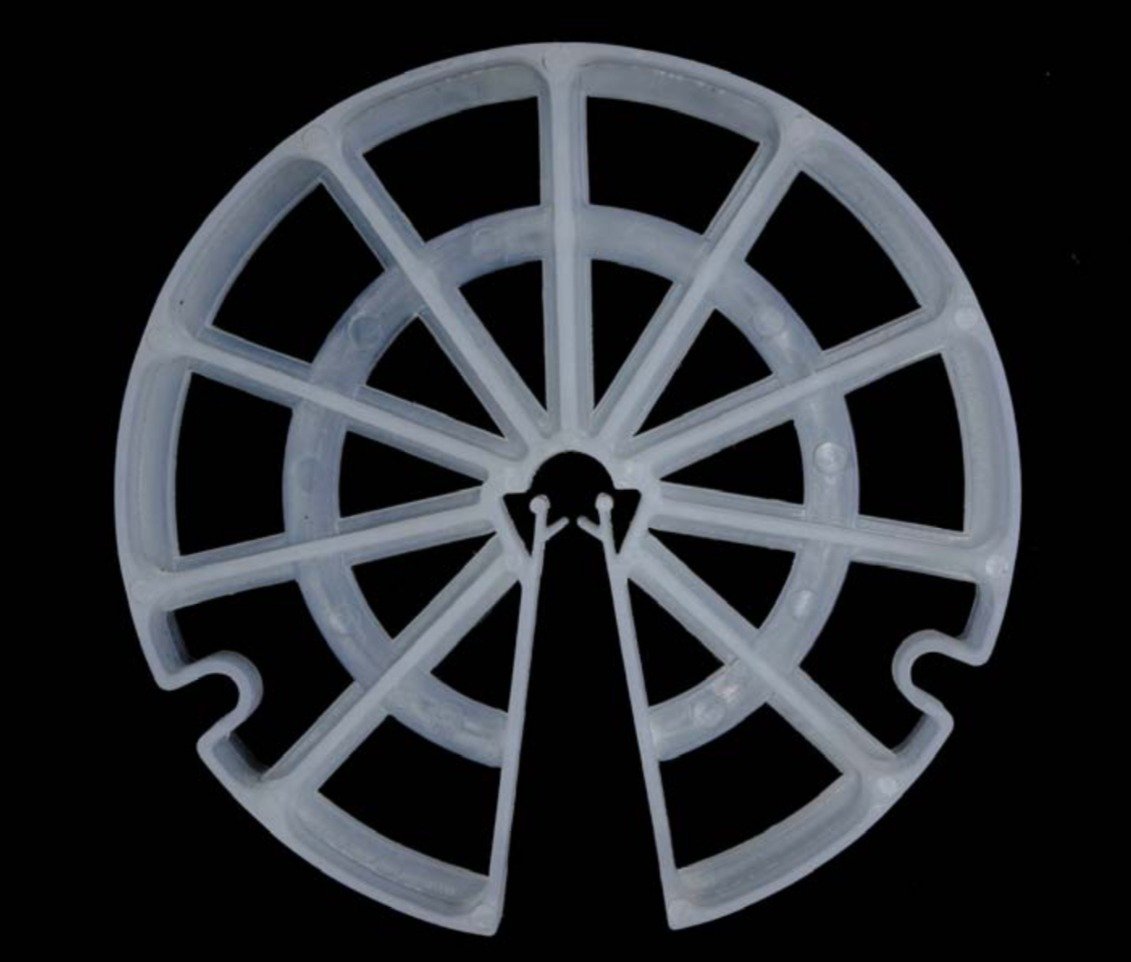
Selection shortcut: CLB-40 locks at a crossing; SL-2540 and SL-40 lock to the ring; PS-50 is the dedicated pile-cage wheel. Required cover and steel compatibility still come from the drawing and product data.
SL-2540 and SL-40 are different Spiderlock designs
Both SL-2540 and SL-40 are ring-mounted Spiderlock spacers, but they solve the job differently. SL-2540 is a multi-cover spacer providing 25 mm and 40 mm orientations. SL-40 is a dedicated 40 mm double-lock spacer designed for easy insertion, stronger retention and stable cover even if it rotates around the steel.
Because Spiderlock fixes to the ring, the compatibility value to check is Compatible Ring Diameter. The main longitudinal bar diameter is not the fit dimension for SL-2540 or SL-40.
- Required concrete cover from the drawing.
- Compatible Ring Diameter for the selected product.
- SL-2540: orient the required 25 mm or 40 mm face toward the shuttering.
- SL-40: press until both locking points are fully engaged.
SL-2540: 25 mm / 40 mm from one spacer
SL-2540 was developed earlier and provides two cover orientations: 25 mm / 40 mm. The spacer is clipped to the ring and rotated so the required side faces the shuttering.

SL-2540 provides two cover options in one spacer. Rotate the fitted spacer so the required cover face is towards the shuttering.
See the SL-2540 product page →SL-40: easier to insert, deliberately harder to pull out
SL-40 uses a push-fit double-lock: press the spacer onto the compatible ring until both locking points engage.
The purpose is practical: installation should be easy by hand, but once the spacer is fully engaged it should resist accidental pull-out while reinforcement and shuttering are handled. Unlike the dual-cover SL-2540, SL-40 is a dedicated 40 mm spacer; its cover remains maintained even if the fitted spacer rotates around the steel.
Press the spacer onto the compatible ring until both locking points engage.
The double lock is deliberately designed to improve retention after fitting.
The 40 mm cover remains maintained even if the fitted spacer rotates around the steel.
Confirm the compatible ring diameter and required 40 mm cover before selection.
Where Spiderlock can be used
Use where the required cover and Compatible Ring Diameter match the selected Spiderlock product.
Ring-mounted spacers can maintain side cover where the wall reinforcement arrangement suits the product.
SL-2540 can be used where its cover orientation and ring fit match the beam cage.
Spiderlock is not a universal answer to every column or wall. Required cover, ring diameter, cage arrangement and project instructions control selection.
Choose the spacer after the cover is known
Start with the required cover and application. For Spiderlock and PS-50, check Compatible Ring Diameter. CLB-40 is different because it locks at the crossing, so both ring and main-bar geometry matter.
CLB-40: 40mm Self-Locking PVC Cover Block for Column (Pack of 75)
- Concrete Cover
- 40 mm
- Compatible Ring Diameter
- Ask CROSSLOCK
- Compatible Main Bar Diameter
- Ask CROSSLOCK
- Pieces / Packet
- 75
SL-2540 for Column & side of beams - Spiderlock spacer 25&40mm (Pack of 125 Pieces)
- Concrete Cover
- 25 mm / 40 mm
- Compatible Ring Diameter
- Ask CROSSLOCK
- Pieces / Packet
- 125
- Fixing
- Ask CROSSLOCK
SL-40 Double Locking 40mm rebar spacer - Pack of 75 Pcs
- Concrete Cover
- 40 mm
- Compatible Ring Diameter
- Ask CROSSLOCK
- Pieces / Packet
- 75
- Fixing
- Ask CROSSLOCK
Easy to insert · harder to pull out · maintains 40 mm cover even if it rotates around the steel.
View SL-40 product page →PS-50
- Concrete Cover
- 50 mm
- Compatible Ring Diameter
- Ask CROSSLOCK
- Pieces / Packet
- 40
- Fixing
- Push-fit with double locking
Check the listed cover, bar compatibility and Pieces / Packet before ordering. Ask CROSSLOCK if a required value is not shown.
PS-50 is made for pile-cage conditions
A pile cage is lowered into a bore, so its spacer has to maintain cover under contact with soil or mud rather than against normal shuttering. This is why PS-50 uses a different wheel geometry.
Its outer side is deliberately rounded. The broad rounded profile is intended to avoid digging or piercing into surrounding mud or soil while the cage is lowered.
PS-50 clips to the pile-cage ring, so ring diameter is the important fit dimension. Its push-fit locking geometry is designed for easy installation with secure retention after engagement.
Plan PS-50 quantity by cage length and levels
A practical starting point is 4 PS-50 spacers at every 3 ft level of pile-cage length. Project drawings and pile-cage details take priority.
Use the Product Selector & Quantity Planner for the actual estimate instead of manually repeating this formula for every project.
Larger pile diameters, unusual cages or project specifications can require a different number at each level. Follow the project requirement where it differs.
Fix the spacer before shuttering or cage lowering
Vertical spacers should be installed while the reinforcement is still accessible. The practical method depends on the product.
Keep the ring in the lower slot and the main bar in the upper slot, then press the block into position. Use enough pieces around the faces to keep the cage centred.
Clip the spacer onto the compatible ring and rotate it so the required 25 mm or 40 mm side faces the shuttering.
Press SL-40 onto the compatible ring until both locking points engage. Check that it is fully seated before shuttering is closed.
Press the wheel onto the ring until the double lock engages. Keep the rounded wheel profile outward and distribute wheels around the planned levels.
What should a good vertical spacer do?
A vertical spacer should be judged by cover accuracy, fixing, stability, concrete flow and suitability for the application—not only by material.
Codes & Technical References
This page explains product use in practical site language. Structural drawings, project specifications and the responsible engineer remain controlling.
- IS 456:2000 — Plain and Reinforced Concrete — Code of Practice. Relevant provisions cover reinforcement position, cover blocks/spacers and nominal concrete cover.
- BS 7973-1:2001 — product performance requirements for spacers and chairs.
- BS 7973-2:2001 — fixing and application of spacers and chairs.
- The Concrete Society — Spacers and chairs.
- MPLAST INDUSTRIES — CROSSLOCK brochure, product information and practical installation guidance.
Common questions
Is Spiderlock a separate brand?
No. CROSSLOCK is the umbrella brand. Spiderlock names the SL-series vertical spacer family under CROSSLOCK.
Why is PS-50 not called Spiderlock?
PS-50 is designed specifically for pile cages and uses its own rounded wheel geometry. It belongs under Vertical Rebar Spacers but remains a separate Pile Cage Spacer Wheel category.
Which bar diameter matters for Spiderlock and PS-50?
Compatible Ring Diameter. These products fix to the ring, so the main longitudinal bar diameter is not the fit dimension. Confirm the ring fit for the selected product.
Does SL-2540 have the same double lock as SL-40?
No. SL-2540 is the dual-cover 25/40 mm Spiderlock design. SL-40 is a dedicated 40 mm push-fit double-lock design with stronger pull-out resistance, and it maintains its cover even if it rotates around the steel.
Can CLB-40 also be called a vertical spacer?
Yes, by application. CLB-40 remains a Self-Locking Cover Block by product geometry, but in suitable columns and beam sides it performs the job of a Vertical Rebar Spacer.
How many PS-50 wheels should be used?
A common planning starting point is 4 spacers at every 3 ft level. Larger pile diameters or project requirements may need a different number; use the project detail for the final arrangement.
Does the website decide concrete cover?
No. Required concrete cover comes from the structural drawing, applicable code and project specification. The website helps select a product after that requirement is known.
Ask CROSSLOCK about your column, wall or pile cage
Send the RCC member, required cover, ring diameter, main-bar arrangement where relevant, and a drawing or site photo if available. We can help identify the sensible product and quantity-planning route.